
Sound Stage Doors Install and Repair
Sound stage doors are specially designed entrances provide a gateway between the outside world and the controlled environment of the sound stage.
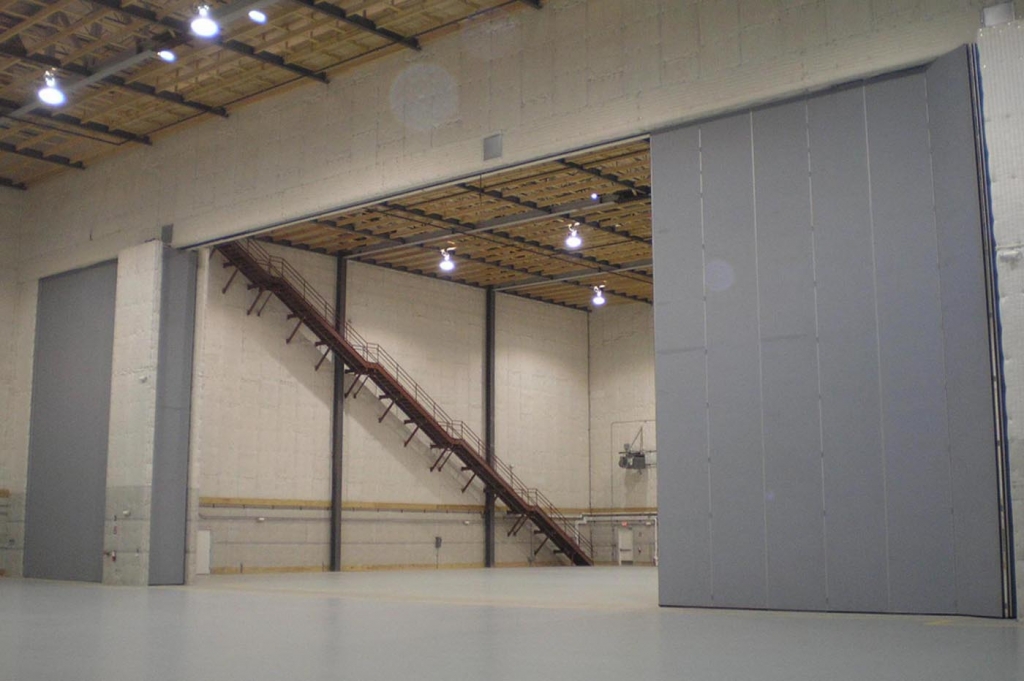
Sound stage doors are engineered to minimize noise and provide a secure and isolated space for film and television production. Constructed with heavy materials, sound stage doors work to maintain the acoustical integrity of the product set by preventing unwanted noise from getting into the controlled space. The doors also feature reinforced structures to facilitate the movement of heavy equipment, props, and sets in and out of the sound stage.
Request A Quote




Sound Stage Doors Description
Functionality and Access
Sound stage doors are specifically designed to facilitate movement in and out of the production set. They serve as a gateway through which cast, crew, workers, and equipment enter and exit the sound stage. The doors are constructed to be large and sturdy, allowing for easy passage of props, camera equipment, and even vehicles if needed. For maximum flexibility, sound stage doors are designed to be wide and tall to accommodate various production requirements.
Acoustic Isolation
One of the primary purposes of sound stage doors is to maintain acoustic isolation. Within a sound stage, there are multiple sets, each with its own unique soundscape. To prevent unwanted noise, sound stage doors are built to minimize sound leakage. They are designed and constructed using thick, sound-absorbing materials and equipment with seals and gaskets to create a tight seal when closed. They help to maintain the integrity of the sound environment within each set and allow for high-quality audio recording.
Set Design Continuity
Sound stage doors also play an important role in maintaining the continuity of the set design. Most times, multiple scenes are filmed on different sets within the same sound stage. To maintain the "illusion" of a seamless transition between scenes, the design and appearance of the sound stage doors are carefully considered. They are designed and manufactured to blend in with the surrounding set, matching the color palette, style, and overall aesthetics to preserve the visual coherence of the production.
Security and Privacy
Given the value of intellectual property and the need for secrecy during filming, sound stage doors have security measures available to protect the production. The doors can include keycard access systems, digital locks, and other restricted mechanisms so only authorized personnel has access to the set. Sound stage doors also can feature glass providing privacy and preventing unwanted onlookers from disrupting the shooting production process.
Significance in Production Design
Sound stage doors also hold significant improtance in the overall production design. They can become symbols associated with the specific films or television shows. Imagine the metallic doors of a sci-fi spaceship production or the grand doors of a period drama; because of their design, sound stage doors contribute to the visual language and storytelling of a production, setting the tone and atmosphere for the audience.
Sliding Sound Stage Doors

Sound Stage Door Frequently Asked Questions
What are sound stage doors?
What are the typical materials used for sound stage doors?
How do sound stage doors differ from regular doors?
Why are sound stage doors important in film and television production?
Are sound stage doors customizable to fit different production needs?
What is the purpose of sound stage doors?
Can sound stage doors be easily opened and closed during production?
Are sound stage doors sound-resistant in both directions?
Are sound stage doors weather-resistant for outdoor stages?
Sound Stage Door Popular Articles
In the world of filmmaking, every detail matters, from the script and cinematography to the set design and production elements. One often overlooked yet crucial aspect of a successful film production is the security of the shooting location. Commercial sound stage doors play a vital role in ensuring the safety, privacy, and creative freedom required by filmmakers. In this blog post, we will explore the importance of commercial sound stage doors and how they impact the overall filmmaking process.
When it comes to commercial productions, such as film shoots, television shows, or music videos, creating the perfect environment is important. All details matter and one of the most overlooked aspects is the selection of the right sound stage doors. These doors not only provide security and privacy, but also play a role in maintaining sound (both internal and external), and increase the overall production experience.
Sound Stage Doors are a great option for people that want the benefits that come from acoustical doors but need a sliding implementation in order for the doors to work with their space.
The good news is that there are some great options for customizing sound stage doors, which makes it easy to implement them into your facility. For larger openings we provide electric operators and necessary controls.
Our customers include:
- Disney Studios
- Boeing Aircraft
- Northrop
- Culver Studios
- Cal State University
- Nokia Theatre
- Paramount Studios
- Kennedy King University
- Schools
- Hospitals
STC and Sound Stage Doors
When designing sound stage doors, one of the most important considerations is the Sound Transmission Class (STC) rating. STC is a measurement used to indicate how effectively a building component reduces airborne sound transmission. In film studios, television production facilities, recording environments, and other sound-sensitive spaces, controlling outside noise is critical to maintaining a professional production environment.
Sound stage doors are often much larger than conventional commercial doors, which makes acoustic performance especially important. A properly engineered door assembly can help reduce noise from traffic, aircraft, construction, HVAC equipment, adjacent stages, and activity elsewhere within a production facility. Higher STC ratings generally indicate greater resistance to airborne sound transmission.
Achieving strong acoustic performance involves more than simply using a thick or heavy door. Door construction, mass, seals, perimeter gasketing, thresholds, framing, and installation all contribute to the performance of the complete assembly. Even small gaps around an oversized door can significantly compromise sound isolation.
For sound stages requiring large equipment access, acoustically engineered elephant doors and sound stage doors can combine the necessary opening size with effective noise control. Selecting the appropriate STC performance helps studios create quieter, more controlled spaces where dialogue, music, sound effects, and other audio can be captured with fewer unwanted interruptions.
Industries That Also Benefit from Sound Stage Doors
Aerospace and Aviation Facilities
Aerospace and aviation facilities can benefit significantly from sound stage doors because aircraft engines, testing equipment, machinery, and maintenance operations can generate extremely high noise levels. Large acoustical doors allow aircraft components, vehicles, and oversized equipment to move in and out of hangars and testing areas while helping control sound transmission when closed. For facilities located near offices, laboratories, residential areas, or other sensitive environments, properly designed sound-rated doors can become an important part of an overall noise-control strategy.
Manufacturing and Industrial Facilities
Manufacturing plants and industrial facilities frequently operate heavy machinery, compressors, generators, fabrication equipment, and production systems that produce substantial noise. Sound stage doors provide the large clear openings necessary for forklifts, cranes, machinery, trucks, and oversized materials while helping isolate noisy production areas. When incorporated into an acoustically designed wall system, high-STC doors can help limit sound transmission between production floors, testing areas, warehouses, offices, and neighboring properties without sacrificing the large-scale access industrial operations require.
Performing Arts and Entertainment Venues
Theaters, concert halls, performing arts centers, and live entertainment venues also benefit from large acoustically rated sound stage doors. These facilities often need oversized openings for scenery, lighting systems, musical equipment, staging components, and production vehicles while maintaining acoustic separation between spaces. Sound stage doors can help prevent rehearsals, performances, and backstage activity from interfering with neighboring rooms or outside environments. Proper seals, heavy-duty construction, and appropriate STC ratings help create controlled acoustic spaces while still providing the accessibility required for large productions and events.
So Why Are Sound Stage Doors Important?
Sound stage doors are important because they help maintain the controlled acoustic environment required inside sound-sensitive facilities. Noise from traffic, aircraft, construction, machinery, nearby businesses, and other rooms can interfere with recording, testing, rehearsals, or production. Properly designed acoustical doors help reduce sound transmission through large openings that would otherwise become weak points in a building’s sound-control system. High-STC sound stage doors use specialized construction, substantial mass, perimeter seals, and carefully engineered frames to help limit unwanted noise. This allows facilities to maintain large access openings without unnecessarily sacrificing the acoustic performance of the surrounding walls.
Sound stage doors are also important because many facilities need to move large equipment, vehicles, machinery, scenery, and materials between acoustically isolated spaces. A standard commercial door may provide sound control but cannot accommodate oversized loads. Sound stage doors combine large-scale accessibility with acoustic performance, making them useful for theaters, aerospace facilities, manufacturing plants, testing laboratories, recording facilities, and entertainment venues. When properly specified and installed, these doors can help control both incoming and outgoing noise. The result is a more functional facility where large openings remain accessible while supporting the sound isolation requirements of the surrounding environment.